Particulate filtration
A diesel particulate filter captures soot and fine particulate matter carried in the exhaust stream, helping reduce visible smoke and particle release.

Reduce particulate matter, visible smoke and harmful exhaust emissions from an existing diesel generator with an engineered RECD solution supplied and supported by Gyarash India.

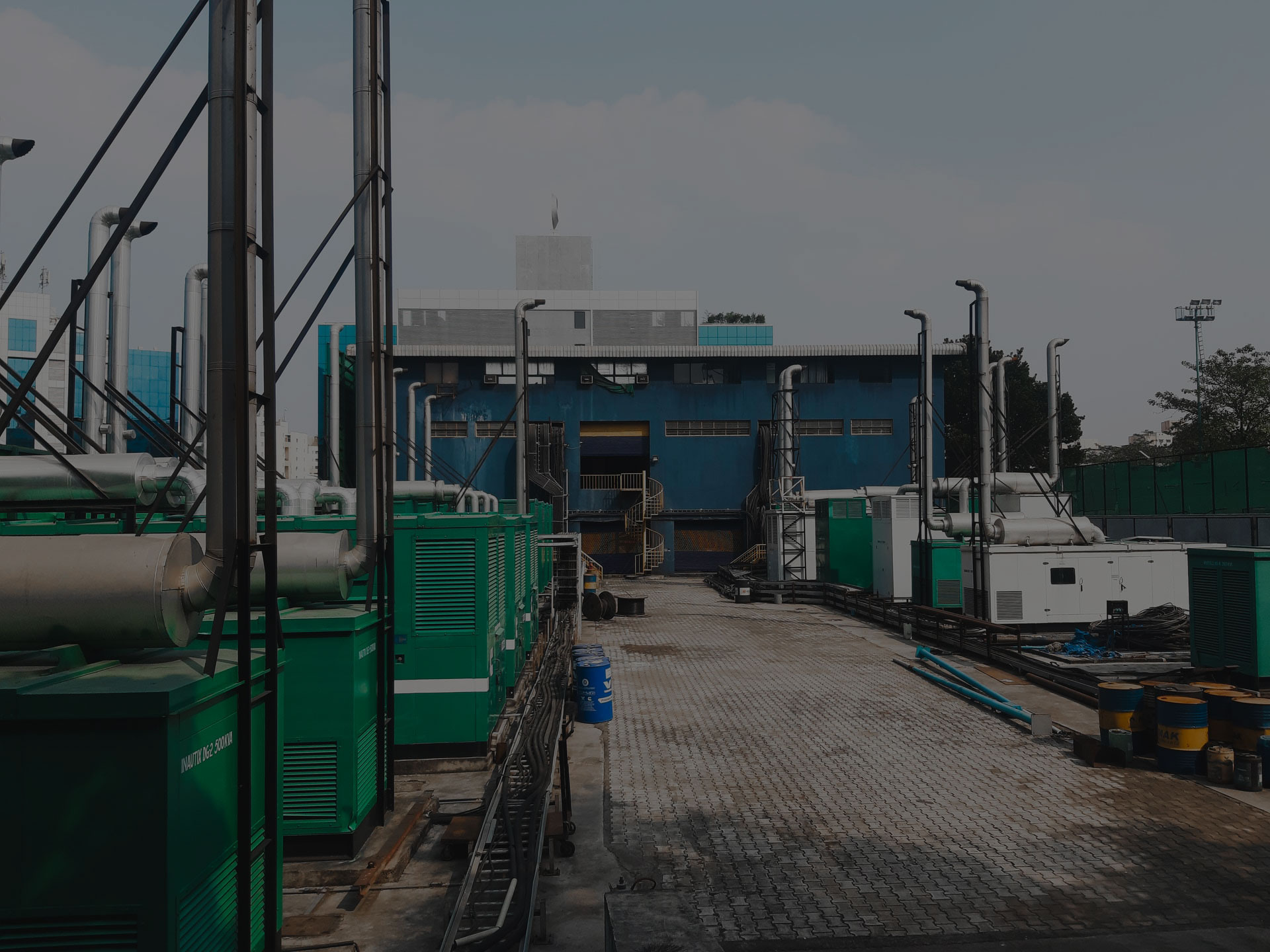
A Retrofit Emission Control Device is installed in the generator exhaust line to treat pollutants before exhaust gases are released into the surrounding air. It can help an organisation improve local air quality and respond to applicable pollution-control requirements without immediately replacing a serviceable generator.
Gyarash India supports the project from preliminary data collection and site assessment through product selection, fitment, commissioning and maintenance guidance. The objective is a correctly sized solution that works with the DG set’s exhaust conditions and operating profile.
The RECD is engineered to manage the pollutants typically present in diesel exhaust while maintaining the airflow required for dependable generator operation.
A diesel particulate filter captures soot and fine particulate matter carried in the exhaust stream, helping reduce visible smoke and particle release.
A diesel oxidation catalyst supports the conversion of carbon monoxide and unburned hydrocarbons into less harmful compounds under suitable operating conditions.
Temperature and pressure data can help technicians assess operating conditions, back pressure and maintenance requirements during the product lifecycle.
A well-selected RECD is more than an exhaust accessory—it supports cleaner operations, responsible facility management and a more practical compliance pathway.
Control particulate matter, smoke, carbon monoxide and hydrocarbons at the DG-set exhaust source.
Use documented, approved technology as part of the organisation’s response to applicable emission-control directions.
Upgrade a suitable generator instead of immediately replacing the entire backup-power asset.
Reduced smoke and particulate release can help create a cleaner environment around generator installations.
Sizing, duct routing, foundation, back pressure and access are evaluated for the actual installation.
Receive installation coordination, commissioning guidance and planned service support from one team.
A structured technical process reduces fitment risk and helps align the selected RECD with the generator and site.
Provide generator make, model, kVA rating, engine details, installation photographs, load pattern and operating hours.
The team reviews DG condition, exhaust routing, space, access, foundation, electrical supply and site constraints.
The selected system is positioned, connected to the exhaust line and integrated with the required sensors and controls.
Operating checks, documentation, user guidance and the recommended inspection schedule are provided at handover.
RECD solutions can be evaluated for diverse commercial, institutional, residential and industrial generator installations.
ACEGET presents its RECD range as tested and approved under CPCB system procedure PCLS/12/2021-22 and aligned with CAQM Direction No. 76. The appropriate compliance action for a particular DG set can depend on its manufacturing date, capacity, location, usage and the directions currently applicable to the facility.
Gyarash India helps collect the technical information required for product selection and project documentation. Facility owners should retain invoices, product documents, installation records, commissioning reports and maintenance records for their internal compliance file.
Final suitability and compliance advice should always be based on your DG-set data and current directions applicable to the site.
It treats diesel-generator exhaust using filtration and catalytic technology to reduce particulate matter, smoke and selected harmful gases before they are released into the air.
Yes, subject to a technical assessment. Generator health, kVA rating, exhaust arrangement, available space, operating profile and back-pressure requirements must be reviewed first.
ACEGET lists CPCB-approved RECD solutions for DG sets from 25 kVA to 1000 kVA. Equipment above that range may require a different pollution-control-device category and separate assessment.
No. Published reductions are conditional. Actual results depend on generator condition, load, exhaust temperature, fuel quality, maintenance and site conditions.
Yes. Periodic inspection, sensor checks, back-pressure review and filter or system maintenance are important. The exact schedule should follow the supplied product and commissioning documentation.
Share the DG rating, make, model, engine plate, manufacturing date, runtime details and clear installation photographs. The technical team can then review the requirement and recommend the next step.
Share the generator details with Gyarash India for a suitable RECD recommendation, installation plan and commercial quotation.
Talk to us about RECD retrofits or dual fuel conversion for your DG set.